
Medical Hair & Scalp Treatments
Every scalp is unique. Our clinical care combines microscopic diagnosis with evidence-based pharmaceutical, regenerative, and aesthetic restorative therapies.
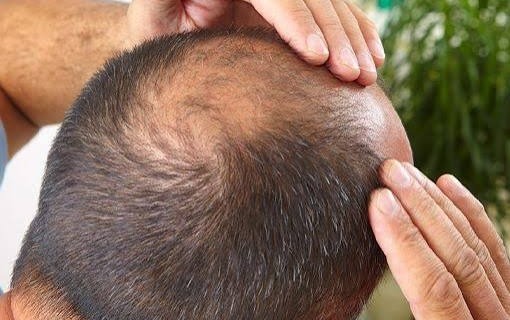
Hair Fall Treatment
Clinical trichological intervention addressing root biological drivers of hair thinning, follicle miniaturization, and shedding across men, women, and children.
Common Diagnostic Indicators:
- Genetic predisposition & DHT sensitivity
- Nutritional deficiencies (Iron, Vitamin D3, B12, Zinc)
- Chronic stress & physiological cortisol surges
- Hormonal fluctuations (Thyroid, PCOS, postpartum)
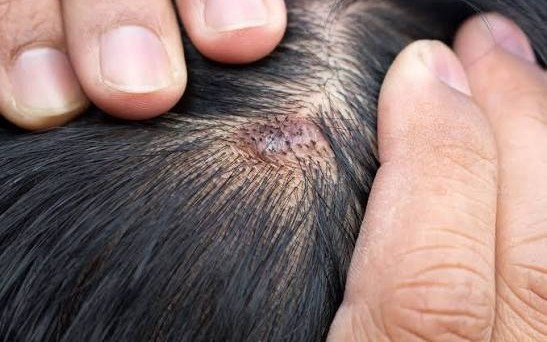
Hair & Scalp Diseases
Comprehensive dermatological care for complex inflammatory, autoimmune, and microbial scalp conditions that compromise follicle health.
Common Diagnostic Indicators:
- Seborrheic dermatitis & Malassezia yeast overgrowth
- Autoimmune scalp psoriasis & thick silvery plaques
- Alopecia areata (patchy autoimmune follicle attack)
- Bacterial or fungal folliculitis & pustular lesions
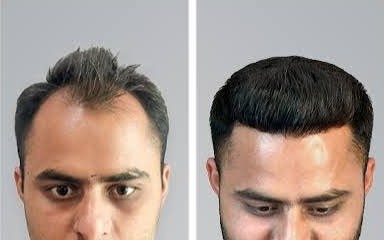
Hair Transplant
Surgical trichology utilizing state-of-the-art Follicular Unit Extraction (FUE) and Direct Hair Implantation protocols for natural hairlines and lifelong graft survival.
Common Diagnostic Indicators:
- Advanced male pattern baldness (Norwood Stages III – VII)
- Female pattern hair thinning unresponsive to medical therapy
- Traction alopecia or traumatic hairline scarring
- Receded temporal peaks and thinning crown vertex
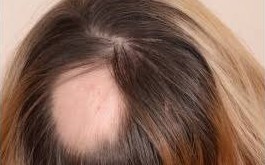
Hair Camouflage
Artistic, medical-grade pigment implantation that replicates shaved hair follicles or creates the visual illusion of thicker density in thinning areas.
Common Diagnostic Indicators:
- Diffuse thinning where surgical grafting is not yet indicated
- Post-transplant linear or punch scar concealment
- Total alopecia wanting a clean, youthful buzz-cut aesthetic
- Hypopigmented scalp patches and birthmark camouflaging
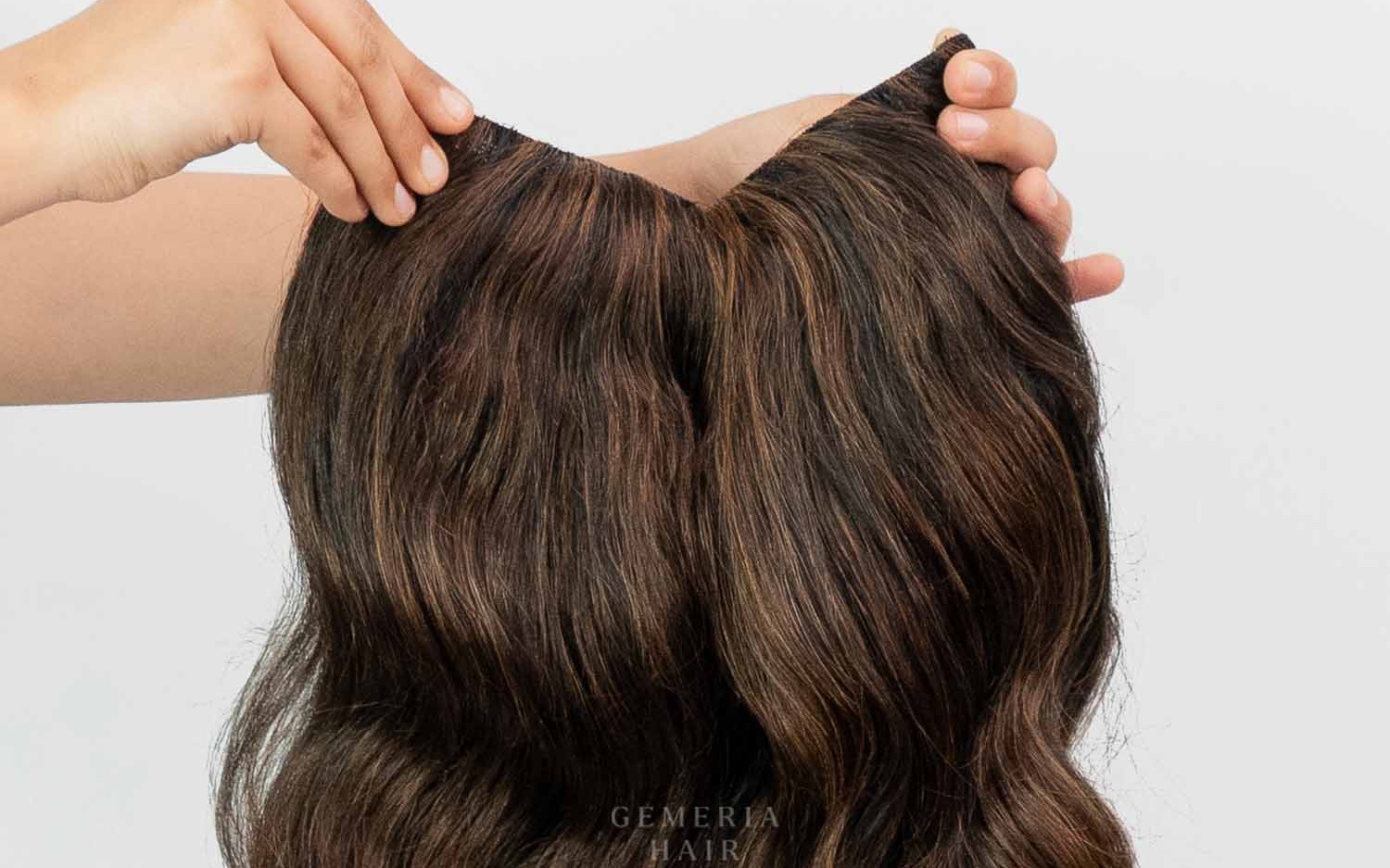
Wigs & Extensions
Compassionate, bespoke non-surgical hair restoration systems tailored for medical alopecia, chemotherapy patients, and instant full-coverage needs.
Common Diagnostic Indicators:
- Alopecia totalis or universalis
- Chemotherapy and medical treatment-induced hair loss
- Extensive scarring alopecia unsuited for surgical grafting
- Patients seeking immediate non-invasive volume without downtime